
Why Does My Fresno Lawn Turn Brown Every Summer?
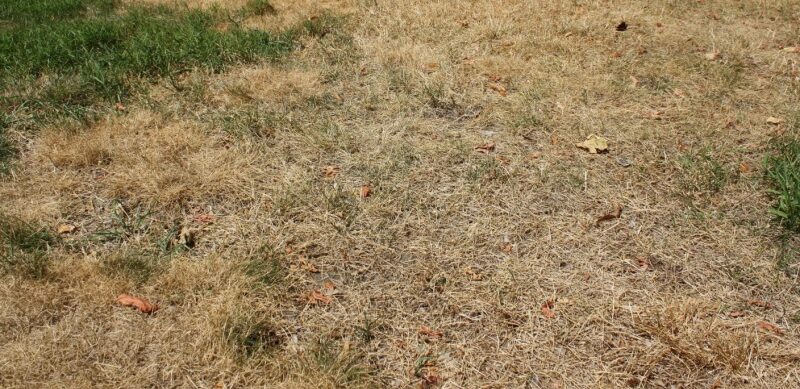
A lawn doesn't usually turn brown overnight. More often, the change happens gradually as Fresno's summer heat settles in. Areas that were once lush and green begin to lose their color, isolated patches start spreading, and before long, the entire yard can look tired despite regular mowing and watering. It's a frustrating problem because the cause isn't always as obvious as a lack of irrigation.
The reality is that several conditions can contribute to summer browning, and they often occur at the same time. Heat, soil conditions, watering habits, nutrient availability, and overall turf health all influence how well grass withstands Fresno's long, hot summers. That's why simply increasing the sprinkler schedule doesn't always restore a lawn's healthy appearance.
Keeping turf in good condition during the hottest part of the year starts with identifying what's causing the decline in the first place. Whether your lawn would benefit from Fresno lawn care, improved soil conditions, or treatment for weeds, insects, or disease, identifying the source of the problem makes it much easier to choose a solution that supports long-term lawn performance. Below are the most common reasons Fresno lawns turn brown every summer and what each one can reveal about the condition of your yard.
Fresno's Extreme Summer Heat Places Grass Under Constant Stress
Fresno's long, dry summers are one of the biggest reasons lawns lose their rich green color. Temperatures frequently rise above 100°F, causing moisture to evaporate rapidly from both the soil and the grass blades. As the soil dries out, grass has a harder time absorbing the water it needs to sustain vigorous growth. To conserve energy and moisture, the turf naturally slows its development and produces less chlorophyll, which is why a lawn often begins turning yellow or brown during extended periods of extreme heat.
Heat stress is rarely distributed evenly across an entire yard. Areas exposed to direct afternoon sun typically experience higher temperatures than shaded sections, while driveways, sidewalks, patios, and block walls reflect heat back toward the surrounding turf. These conditions create localized hot spots where the grass dries out more quickly, often resulting in scattered brown patches even when other areas of the lawn remain green.
Prolonged periods of extreme heat make it more difficult for grass to withstand everyday environmental stress. Lawns with shallow root systems, compacted soil, nutrient deficiencies, or inconsistent watering often struggle under Fresno's summer conditions. Over time, weakened turf becomes more vulnerable to weed growth, insect activity, and turf diseases, making it increasingly difficult to maintain a dense, resilient lawn.
Soil Compaction Prevents Water and Nutrients From Reaching the Roots
Healthy grass depends on a well-developed root system, but compacted soil can make it difficult for roots to function properly. Over time, repeated foot traffic, lawn equipment, and the naturally heavy clay soils found throughout much of the Fresno area compress the ground. As soil particles become packed together, the spaces that normally allow water, air, and nutrients to move through the soil become much smaller, limiting the resources available beneath the surface.
Compacted soil often causes problems that aren't immediately visible. Water may collect on top of the lawn, run off instead of soaking in, or only penetrate the upper layer of soil before evaporating. At the same time, roots struggle to extend deeper in search of moisture, leaving the lawn increasingly dependent on frequent watering during hot weather. As summer temperatures rise, these shallow root systems dry out much faster than deeper, well-established ones.
When roots cannot access enough water, oxygen, and nutrients, the lawn becomes less resilient overall. Grass may thin out, lose its green color, and recover more slowly from prolonged heat. Regular aeration helps relieve soil compaction by creating pathways that improve water penetration, increase airflow beneath the surface, and encourage deeper root development, giving the lawn a stronger foundation for Fresno's demanding summer climate.
Improper Watering Often Causes More Problems Than It Solves
Many homeowners respond to brown grass by watering more frequently. While the intention is understandable, frequent shallow watering often encourages roots to remain close to the soil surface, where temperatures fluctuate the most.
Deep, consistent watering encourages roots to grow deeper into the soil, allowing grass to access moisture long after the surface has dried. Lawns that receive irregular irrigation, short watering cycles, or uneven sprinkler coverage often develop scattered brown areas because some sections simply aren't receiving enough moisture.
Overwatering creates problems as well. Constantly saturated soil limits oxygen around the roots and may encourage fungal diseases that further damage the turf.
Signs irrigation may be contributing to summer browning include:
- Dry patches that remain brown after watering may indicate that water isn't reaching the root zone or that the grass is already under stress from another contributing factor.
- Green grass directly beside brown areas often suggests uneven sprinkler coverage or differences in how moisture is distributed across the lawn.
- Water running onto sidewalks or driveways usually indicates that irrigation is being applied faster than the soil can absorb it, resulting in unnecessary runoff.
- Sprinkler heads with uneven coverage can leave some sections consistently overwatered while others receive too little moisture to remain in good condition.
- Soil that stays soggy long after irrigation may reduce oxygen around the roots and create favorable conditions for turf diseases.
- Grass that feels brittle despite frequent watering can indicate that shallow root growth or another condition is preventing the lawn from using moisture efficiently.
Nutrient Deficiencies Leave Grass Less Able to Handle Summer Conditions
A healthy lawn relies on a steady supply of nutrients to maintain vigorous growth, support root development, and tolerate environmental stress. As grass actively grows, it continually uses nutrients stored in the soil. Over time, these nutrients become depleted, especially if they aren't replenished through a well-planned fertilization program. During Fresno's hot summers, deficiencies often become much more noticeable because stressed turf has fewer resources available to maintain its color and vigor.
Nitrogen, phosphorus, and potassium each play an important role in lawn performance. Nitrogen promotes rich green color, phosphorus supports root development, and potassium improves the turf's ability to tolerate drought, heat, and other environmental challenges. When one or more of these nutrients are lacking, the lawn may lose color, become less vigorous, and struggle to bounce back after periods of extreme weather.
Nutrient deficiencies can be difficult to identify because their symptoms often resemble drought stress or other lawn problems. Applying fertilizer without considering the lawn's condition or the time of year may produce limited results and, in some cases, place additional stress on the turf. A balanced fertilization program tailored to the lawn's needs helps strengthen root development, improve overall vigor, and increase the lawn's ability to withstand Fresno's demanding summer climate.
Lawn Diseases Become More Active During Hot Summer Conditions
High temperatures combined with irrigation and overnight moisture create conditions that allow certain turf diseases to become more active.
While disease symptoms vary, many fungal problems begin as small discolored patches before spreading across larger portions of the lawn. Because several diseases resemble drought stress, it's common for homeowners to increase watering, unintentionally creating conditions that allow the problem to continue spreading.
Proper diagnosis is essential because different lawn diseases require different management strategies.
Common warning signs include:
- Circular brown patches that gradually expand may indicate that a turf disease is spreading through the lawn rather than isolated areas of drought stress.
- Grass that pulls away easily from the soil can suggest that affected turf has weakened and is no longer anchored as securely as healthy grass.
- Thin or irregular areas that continue spreading often point to a problem that isn't likely to improve through watering alone.
- Discolored blades despite adequate watering may signal that moisture isn't the primary reason for the lawn's declining appearance.
- Patches that appear after periods of humidity can indicate that warm temperatures and lingering moisture create favorable conditions for disease activity.
- Grass that doesn't recover overnight may suggest the turf is dealing with more than temporary heat stress and deserves closer evaluation.
Insects Feeding Below the Surface Can Damage Healthy Turf
Not every brown lawn is the result of heat, poor watering, or nutrient deficiencies. In some cases, the problem begins beneath the surface, where insects feed on grass roots or damage the turf before visible symptoms appear. As roots become weakened, the lawn loses much of its ability to absorb water and nutrients efficiently. Even when watering and fertilization appear sufficient, affected areas may continue turning brown because the grass can no longer support vigorous growth. During Fresno's hot summers, this type of damage often becomes more noticeable as already stressed turf has fewer resources available to tolerate additional pressure.
Because insect damage develops gradually, it's often mistaken for drought stress or other common lawn problems. Homeowners may increase watering or apply fertilizer without realizing insects are contributing to the decline. Careful inspection is usually needed because the symptoms frequently overlap with those of heat stress and disease. Identifying insect activity early allows for targeted treatment before it spreads and causes more extensive damage.
Weeds Compete With Healthy Grass During Fresno's Hottest Months
Weeds become even more aggressive during Fresno's hot, dry summers because they compete directly with desirable turf for the same essential resources. As soil moisture becomes limited, many weeds continue drawing water and nutrients away from the surrounding grass, leaving the lawn with less support during one of the most stressful times of the year. This competition can weaken the turf, reduce its density, and contribute to brown or thinning areas that become more noticeable as summer progresses.
The impact of weeds extends beyond resource competition. As they spread, weeds create uneven growing conditions that make it more difficult for grass to establish a thick, uniform lawn. Thin areas caused by weed growth often leave more exposed soil, creating additional opportunities for new weeds to germinate and spread. Managing weeds before they become well established helps preserve the lawn's access to water and nutrients while encouraging denser, more consistent turf as Fresno's summer temperatures remain high.
Help Your Fresno Lawn Stay Green Through the Summer
A lawn that turns brown during Fresno's long, hot summer isn't necessarily beyond saving. More often, it's responding to a combination of environmental conditions that gradually weaken its overall condition. Heat, compacted soil, inconsistent watering, nutrient deficiencies, insects, diseases, and weeds can all contribute to declining turf quality, making it important to evaluate the lawn as a whole rather than focusing on a single symptom. Addressing the factors behind the problem gives your grass a much better opportunity to remain resilient year after year.
The Experienced Gardener provides comprehensive lawn care solutions designed around the unique growing conditions found throughout Fresno. Whether your lawn needs aeration, fertilization, weed control, insect and disease management, or routine lawn care, our experienced team evaluates the conditions affecting your property and recommends services that support stronger, longer-lasting results.
Contact our lawn care specialists today to schedule an evaluation and learn how a customized lawn care program can help your lawn stay greener, healthier, and better prepared for Fresno's demanding summer weather.

$40 OffRefer a Friend