
Is Your Lawn Dead or Just Dormant? How to Tell in Fresno, CA
A lawn that suddenly turns brown can make any homeowner think the worst. After Fresno's long stretches of heat and dry weather, it's easy to assume the grass has died, but appearances can be deceiving. Questions about whether brown grass is dead or simply dormant are common in Fresno lawn care, especially during periods of prolonged heat when healthy lawns can temporarily lose their color.
Why Brown Grass Doesn't Always Mean Your Lawn Is Dead
A brown lawn isn't always a sign that the grass has reached the end of its life. Many turf varieties naturally enter dormancy when faced with prolonged heat, drought, or other stressful growing conditions. During this period, the grass slows its growth and conserves energy by reducing the amount of moisture and nutrients it uses, allowing it to survive until conditions improve.
Fresno's hot, dry summers often create the type of environment that triggers this natural response. While the lawn may lose its green appearance for a time, the crown and root system can remain healthy beneath the surface. Once temperatures become more favorable and the lawn receives adequate moisture, dormant grass often begins growing again without needing to be replaced.
Because dormant and dead grass can look similar from a distance, it's important to look beyond color alone before deciding what your lawn needs.
Start by Looking at the Overall Color and Pattern
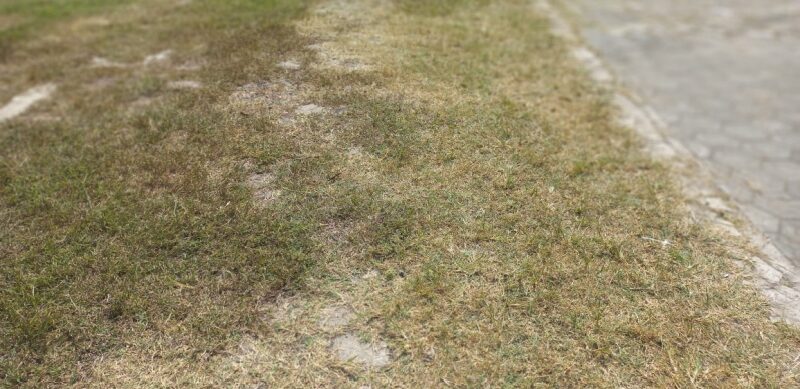
The first clue often comes from the way the discoloration appears across the lawn. Dormant grass usually changes color gradually, creating a fairly even tan or straw-colored appearance over large sections of the yard. This happens because the grass is responding uniformly to environmental stress, such as extended heat or limited moisture. In contrast, dead grass is more likely to appear in irregular patches that vary in size and shape. You may notice isolated areas turning brown while the surrounding turf remains green or patches that continue expanding over time as the underlying problem worsens.
It's also helpful to consider how quickly the lawn changed. Grass that slowly loses its green color over several weeks during Fresno's hottest weather is often reacting to seasonal conditions rather than dying outright. On the other hand, discoloration that develops suddenly or is concentrated in specific areas may point to a different issue, such as insect activity, disease, irrigation problems, or soil-related stress. While color and pattern alone won't provide a definitive answer, they offer valuable clues that can help you determine whether your lawn is likely dormant or experiencing more serious damage.
Check How the Grass Responds to a Gentle Tug
After looking at the color and pattern of the lawn, the next step is to check whether the grass is still firmly connected to the soil. A simple tug test can provide a helpful indication of whether the root system is still active. Gently grab a small section of grass and pull upward with light pressure. If the blades remain attached and resist being pulled out, the roots may still be healthy, which is often a sign that the lawn is dormant rather than dead.
If the grass lifts away easily and comes out with little resistance, it may indicate that the roots have already weakened or died. In these cases, the grass is no longer receiving the support it needs to recover. Keep in mind that this test should only be used as one clue, since different problems can affect how firmly grass holds to the soil. Looking at the overall condition of the lawn, including its color, growth patterns, and growing environment, provides a more accurate picture of what is happening.
Look for Signs of New Growth
Another way to tell whether your lawn is dormant or dead is by watching for signs that the grass is still trying to recover. Dormant grass may appear inactive above the surface, but the living parts of the plant remain capable of producing new growth when conditions improve. As temperatures become less extreme or moisture levels increase, you may notice small green shoots appearing near the base of the grass or gradual color returning to previously brown areas.
Dead grass will not show these signs because the plant has lost the ability to generate new blades. If weeks pass without any improvement despite better conditions, the affected areas may require closer attention. Monitoring changes over time is especially important in Fresno, where seasonal heat can make healthy grass appear stressed even when the underlying root system is still alive.
Pay Attention to What's Happening Below the Surface
The condition of the grass blades only shows part of the story. What happens beneath the soil often determines whether a lawn can recover or whether the damage is more serious. Healthy roots, proper soil structure, and good water movement all play a major role in helping grass survive periods of heat and stress.
Issues such as compacted soil, poor water penetration, insect activity, and turf diseases can weaken a lawn from below before noticeable damage appears above ground. These problems can also make it difficult for grass to recover, even when watering and weather conditions improve. Looking beyond the surface helps identify whether the lawn is simply resting through a stressful season or struggling with an underlying issue that needs attention.
When Brown Grass May Actually Be Dead
While dormancy is a natural response to Fresno's summer conditions, some lawns decline because the grass has been affected by problems that go beyond temporary stress. Dead turf usually shows signs that the plant has lost its ability to recover, often because the growing environment has been damaged over time.
Brown grass may be dealing with permanent damage when you notice:
- Large areas have no remaining green growth: Grass that has lost active growth points may struggle to recover even when weather conditions improve.
- The turf stays dry and fragile: Severely damaged grass often becomes brittle and fails to respond despite receiving proper care and moisture.
- Soil conditions limit root health: Compacted or unhealthy soil can prevent roots from accessing the water, oxygen, and nutrients needed for recovery.
- The lawn declines year after year: Repeated stress from heat, poor growing conditions, or ongoing problems can gradually weaken the turf.
- Other lawn issues appear alongside damage: Insects, disease, and nutrient deficiencies can contribute to decline and prevent the grass from returning naturally.
When these conditions are present, waiting for the lawn to improve on its own may not be enough. Identifying what caused the decline can help determine whether the turf can recover with proper care or if more targeted solutions are needed.
Finding the Cause Behind Your Lawn's Brown Appearance
A brown lawn can leave homeowners unsure whether they should wait for natural recovery or address a problem that may continue affecting the turf. Since similar symptoms can come from different sources, taking a closer look at the conditions affecting your lawn can help prevent the wrong approach.
With more than 20 years of experience serving homeowners throughout Fresno and surrounding areas, The Experienced Gardener has worked with lawns affected by seasonal stress, soil challenges, insects, and turf problems. Our team looks at the factors that influence how grass responds to changing conditions, helping homeowners move forward with a clearer direction for their lawn's care.
Contact our lawn care specialists today to schedule an evaluation and determine whether your brown grass is showing signs of dormancy or a deeper lawn issue.

$40 OffRefer a Friend