
How Fresno’s Heat Impacts Your Lawn (And What to Do About It)
Anyone who has lived through a Fresno summer knows how unforgiving it can be on a lawn. The sun beats down relentlessly, drying out soil and pushing grass into stress mode. A yard that looked lush in spring can suddenly appear tired and brittle, with patches of brown spreading faster than you’d expect. For homeowners, Fresno lawn care becomes a constant battle against heat, evaporation, and pests that thrive in weakened turf.
To see just how Fresno’s heat affects turf, let’s look at the most common ways lawns respond when the temperatures climb.
Grass Turning Brown Overnight
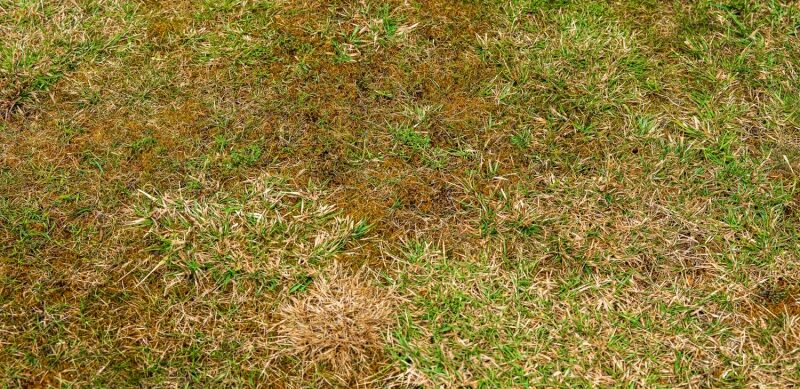
When Fresno’s summer heat spikes, turf often shifts from green to brown almost overnight. This sudden change is usually dormancy—a survival response where grass halts growth, conserves water, and redirects energy to its roots. Dormancy is nature’s way of protecting turf from permanent damage, but it can be alarming for homeowners who assume the lawn has died.
The challenge is that dormancy is not always uniform. Some areas of the lawn may remain green while others fade, creating a patchy appearance. If dormancy continues for too long without proper care, the lawn weakens. Thin patches appear, weeds creep in, and pests exploit stressed areas. What looks like a temporary pause can quickly become long‑term decline if the grass doesn’t receive the right support. Dormant lawns can recover, but only if the soil environment remains healthy enough to sustain roots during the stress period.
What to Do:
- Water deeply and infrequently, focusing on early mornings to reduce evaporation and give roots time to absorb moisture.
- Raise mower blades to leave grass taller; longer blades shade the soil and reduce heat stress.
- Apply soil conditioners that improve water penetration so moisture reaches the root zone instead of evaporating at the surface.
- Avoid heavy fertilization during peak heat, as overstimulation can worsen stress.
- Monitor for weeds or pests that exploit weakened turf, and address them quickly.
- Schedule aeration to open compacted soil and allow oxygen, nutrients, and water to reach roots.
Soil Compaction and Cracks
Extreme heat dries out soil, causing it to harden and crack. Compacted soil prevents water, oxygen, and nutrients from reaching the roots, leaving grass vulnerable to stress. Over time, shallow root systems develop, making turf less resilient to heatwaves.
Cracked soil also exposes roots directly to the sun, accelerating dehydration. Even with regular watering, compacted soil resists absorption, meaning much of the water evaporates before reaching the root zone. This cycle leaves lawns weak and unable to recover, creating a long‑term barrier to growth that worsens with each heatwave. Without intervention, soil compaction becomes a recurring problem that undermines the health of the entire yard.
What to Do:
- Schedule aeration to break up compacted layers and restore pathways for water and nutrients.
- Apply liquid soil conditioners to improve absorption and reduce surface runoff.
- Water slowly and deeply, allowing moisture to soak into the soil rather than evaporating.
- Limit foot traffic and heavy equipment on stressed areas to prevent further compaction.
- Pair aeration with fertilization to maximize nutrient uptake and strengthen root systems.
Patchy or Thinning Turf
High temperatures weaken root systems, leading to thin or uneven turf coverage. Once grass thins, bare soil is exposed, creating prime conditions for weeds and pests to spread. Thin turf also loses its ability to insulate soil, accelerating heat damage.
Patchiness doesn’t just affect appearance—it signals that the lawn’s ecosystem is breaking down. Without intervention, thin areas expand, leaving the yard uneven and more difficult to restore later. Over time, patchy lawns lose their resilience, requiring more intensive treatments to recover. A thinning lawn is often the first visible sign that heat stress is overwhelming the turf’s natural defenses.
What to Do:
- Overseed bare spots with heat‑tolerant grass varieties to restore density.
- Apply targeted fertilization to strengthen weak areas and encourage regrowth.
- Adjust watering schedules to support new seedlings and prevent further thinning.
- Limit mowing until turf density improves, reducing stress on fragile blades.
- Use mulch or compost to retain soil moisture and improve soil structure.
Weeds Taking Advantage
Heat‑stressed lawns are prime targets for invasive weeds like crabgrass, nutgrass, and Bermuda. These plants thrive in weakened soil, spreading aggressively and stealing water and nutrients from your turf.
Once weeds establish themselves, they crowd out grass and create long‑term maintenance problems. Their deep root systems make them difficult to remove, and they often return season after season if not professionally treated. Weeds not only damage turf but also disrupt the balance of your lawn’s ecosystem, forcing grass to compete for limited resources during the hottest months.
What to Do:
- Apply professional weed control tailored to Fresno’s climate and soil conditions.
- Spot‑treat invasive weeds before they spread across the yard.
- Maintain healthy turf density to naturally crowd out weeds.
- Use pre‑emergent herbicides to stop seasonal outbreaks before they start.
- Monitor lawn edges, driveways, and shaded areas where weeds often establish first.
Increased Pest Activity
Hot weather accelerates insect populations. Grubs, beetles, and other turf pests target weakened lawns, feeding on roots and blades. Heat‑stressed grass lacks the strength to recover, leading to rapid decline if infestations aren’t controlled.
Pests don’t just damage turf—they disrupt the soil ecosystem. Grubs, for example, eat roots, leaving grass unable to absorb water. This makes lawns even more vulnerable to heat stress, creating a cycle of decline that worsens with each infestation. Without pest management, lawns can collapse under the combined weight of heat and insect damage.
What to Do:
- Apply turf insecticide to stop active infestations before they spread.
- Schedule disease control treatments to prevent fungal outbreaks that often follow pest damage.
- Monitor for signs of grub damage, such as spongy turf or dead patches.
- Encourage beneficial insects that naturally reduce pest populations.
- Combine pest control with fertilization to help turf recover and rebuild resilience.
Faster Evaporation Rates
Fresno’s dry heat causes water to evaporate almost immediately from the soil surface. Even frequent watering may not reach the roots, leaving grass dehydrated. Shallow watering encourages weak root systems that collapse under stress.
This rapid evaporation wastes water and leaves homeowners frustrated. Without proper irrigation techniques, lawns remain thirsty despite high water usage, leading to higher bills and weaker turf. Over time, this cycle can create chronic dehydration that damages soil health and reduces the lawn’s ability to recover after heatwaves.
What to Do:
- Water early in the morning to reduce evaporation and maximize absorption.
- Improve water penetration with soil treatments that help moisture travel deeper.
- Use mulch around lawn edges to retain moisture and reduce surface loss.
- Adjust irrigation systems for deeper coverage rather than frequent shallow watering.
- Avoid watering during peak afternoon heat when evaporation is highest.
Nutrient Deficiency in Soil
Extreme heat accelerates nutrient loss in soil, leaving grass starved of essential elements like nitrogen and potassium. This results in weak growth, dull color, and reduced resilience against pests and disease.
Nutrient‑deficient soil struggles to support turf even when watered. Without replenishment, lawns decline rapidly, losing their vibrant green and becoming more susceptible to long‑term damage. Over time, nutrient imbalance can permanently alter soil quality, requiring professional intervention to restore balance and vitality.
What to Do:
- Apply summer‑specific fertilization to restore nutrients lost during heat stress.
- Use slow‑release fertilizers to avoid overstressing turf with sudden nutrient surges.
- Pair fertilization with aeration to ensure nutrients reach deeper root zones.
- Monitor soil pH and adjust with professional treatments for balanced growth.
- Schedule seasonal applications to maintain consistent health and resilience.
Reviving a Dry Lawn in Fresno
By the time Fresno’s summer winds down, many lawns look like they’ve reached the point of no return. Blades are brittle, patches of soil are exposed, and the once‑lush green has faded into a dull brown. This decline is the result of prolonged heat stress, evaporation, and nutrient depletion. A dry lawn isn’t just an aesthetic issue—it’s a sign that the soil ecosystem has been disrupted, roots have weakened, and the grass has lost its natural resilience. Left untreated, these conditions can make recovery far more difficult once cooler weather arrives.
The encouraging news is that most lawns can be revived, even if they appear severely damaged. Recovery requires more than simply turning on the sprinklers. It’s about rebuilding soil health, restoring nutrients, and protecting against weeds and pests that thrive in stressed environments. With consistent care and professional treatments, lawns that look beyond repair can return to a vibrant, healthy state. The process takes patience, but the payoff is a yard that not only recovers but becomes stronger against future heatwaves.
At The Experienced Gardener, we specialize in bringing stressed lawns back to life with tailored treatments that address both immediate damage and long‑term health. Whether your yard needs aeration, fertilization, or complete turf renovation, our team has the tools and expertise to restore beauty and strength to your landscape. With over 20 years of experience serving Fresno and the surrounding areas, we know how to revive dry lawns and keep them thriving through the toughest summers.
Ready to bring your lawn back to life? Contact The Experienced Gardener today to schedule your lawn care consultation. Let our experts design a recovery plan that restores your turf and prepares it to withstand Fresno’s extreme summer heat.

$40 OffRefer a Friend