
Fungal Lawn Diseases Common in Fresno and How to Prevent Them
Maintaining a lush, green lawn in Fresno isn’t always as simple as watering and mowing. The San Joaquin Valley’s unique climate — hot summers, cool winters, and occasional damp conditions — creates the perfect environment for fungal diseases to thrive. Left untreated, these turf problems can quickly spread, leaving behind unsightly patches and weakened grass. Understanding the most common fungal lawn diseases in Fresno and how to prevent them is the first step toward protecting your yard.
Spotting the Warning Signs
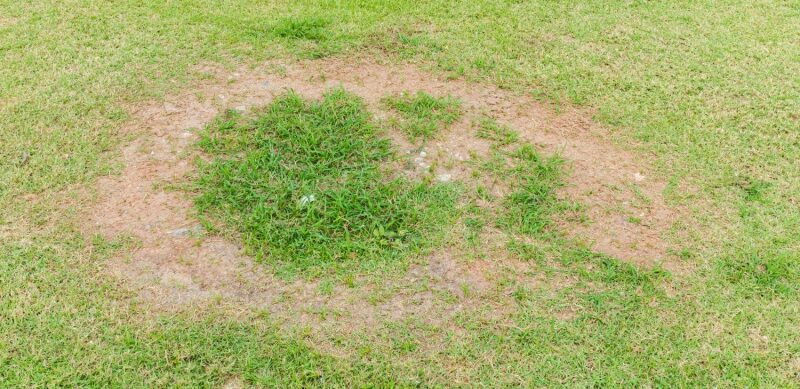
Fungal infections often start subtly. You might notice discolored blades, thinning patches, or rings of dead grass that seem to expand overnight. Because many turf diseases mimic drought stress or nutrient deficiencies, homeowners sometimes misdiagnose the problem and delay treatment. Recognizing the early signs is critical — the sooner you act, the easier it is to restore your lawn’s health.
Another clue is how quickly the damage spreads. Normal lawn stress develops gradually, but fungal outbreaks can escalate within days, especially after humid weather or overwatering. Irregular patches that expand fast or affect nearby grass often signal spores moving through the turf.
Common Fungal Lawn Diseases in Fresno
While there are dozens of turf diseases, a handful appear most frequently in Fresno’s residential and commercial landscapes. Knowing the specific culprits helps homeowners and property managers take quicker, more effective action when symptoms appear.
1. Brown Patch
Circular brown areas that spread rapidly in warm, humid weather, often leaving lawns with large, irregular dead zones. Brown Patch thrives when lawns are overwatered or fertilized with too much nitrogen. It often appears overnight during summer humidity, and untreated patches can merge into widespread damage. Preventing it requires balanced fertilization and improved air circulation across turf.
2. Dollar Spot
Small, silver-dollar-sized lesions that merge into larger patches, weakening turf and reducing its density. This disease is most common in nutrient-deficient lawns, especially those lacking nitrogen. Dollar Spot can persist through the season if not treated, and it often signals that the lawn’s overall health is compromised. Regular feeding and proper mowing height help reduce its impact.
3. Rust Fungus
Orange or yellow powder on grass blades, easily mistaken for pollen but a clear sign of fungal infection. Rust Fungus weakens turf by reducing photosynthesis, leaving grass thin and vulnerable to other stressors. It spreads quickly in shaded areas with poor airflow. Removing excess thatch and ensuring balanced fertilization are key to keeping it under control.
4. Powdery Mildew
White, dusty growth that coats turf in shaded or poorly ventilated areas, stunting grass health. Powdery Mildew is often seen in lawns with heavy shade or compacted soil. While it looks cosmetic at first, it can weaken turf over time. Improving sunlight exposure and aerating soil are effective long-term strategies to reduce outbreaks.
5. Pythium Blight
Slimy, greasy-looking patches that thrive in overwatered lawns, quickly destroying turf in hot conditions. Pythium Blight is one of the most aggressive fungal diseases, capable of wiping out entire sections of turf in days. It thrives in poorly drained soil and areas with standing water. Preventing it requires careful irrigation management and, in severe cases, fungicide applications.
6. Anthracnose
Blackened leaf tips and thinning turf, especially during periods of heat stress or poor soil health. Anthracnose often develops in lawns already weakened by drought or poor fertility. It can attack both leaves and crowns, leading to long-term turf decline. Consistent fertilization and stress reduction practices are essential to keep it from recurring.
7. Fusarium Patch
Pink or reddish rings that appear in cooler seasons, often spreading across large sections of turf. Fusarium Patch is most active in late fall and winter when moisture lingers on grass blades. It can leave lawns looking patchy and uneven, especially in shaded areas. Preventive fungicide treatments and improved drainage are effective ways to limit its spread.
Each of these fungal turf problems in Fresno, CA, has its own triggers, but most are linked to excess moisture, poor soil aeration, or weakened grass. Recognizing them early and pairing prevention with professional treatment can make the difference between a lawn that struggles and one that thrives.
Prevention Strategies That Work
The best defense against lawn fungus is a proactive approach. Healthy turf is naturally more resistant to disease, so prevention should always be the priority. Start with proper watering—deep, infrequent irrigation encourages strong root systems, while daily shallow watering leaves grass vulnerable. Aeration and fertilization also play a vital role, allowing nutrients and oxygen to reach the soil while reducing thatch buildup where fungus thrives.
To keep fungal turf problems in Fresno, CA, at bay, homeowners can focus on these proven strategies:
- Water wisely: Irrigate deeply but less often, avoiding excess moisture that fuels fungus.
- Aerate regularly: Break up compacted soil and thatch to improve oxygen and nutrient flow.
- Balance fertilization: Apply the right amount of nitrogen; too much can trigger diseases like Brown Patch.
- Improve drainage: Prevent standing water by correcting low spots or compacted areas.
- Mow at proper height: Cutting grass too short weakens turf and makes it more susceptible to infection.
- Adjust care seasonally: Modify watering and feeding routines during Fresno’s hot summers and damp winters.
- Use fungicides strategically: Apply treatments only when necessary and always alongside good cultural practices.
Seasonal care is equally important. Fresno lawns often face stress during summer heat waves and winter dampness, so adjusting your lawn care routine throughout the year helps minimize risk. Fungicide treatments may be necessary for recurring issues, but they work best when paired with consistent maintenance practices.
Why Calling in the Pros Saves Your Lawn
Fungal lawn diseases can be relentless, and once they spread, recovery becomes far more challenging. While homeowners can take preventive steps, professional expertise ensures the right diagnosis and treatment before the damage becomes permanent. A trained eye can distinguish between similar-looking issues and apply solutions that truly protect your turf.
At The Experienced Gardener, we’ve built our reputation on helping Fresno lawns overcome these challenges with precision and care. Whether it’s aeration, fertilization, or targeted fungicide applications, our team delivers solutions that strengthen your lawn from the roots up. Don’t wait until small patches become widespread problems — contact The Experienced Gardener today and let us restore the health and beauty of your landscape.

$40 OffRefer a Friend