
Brown Spots After Fertilizing? What Fresno Homeowners Need to Know
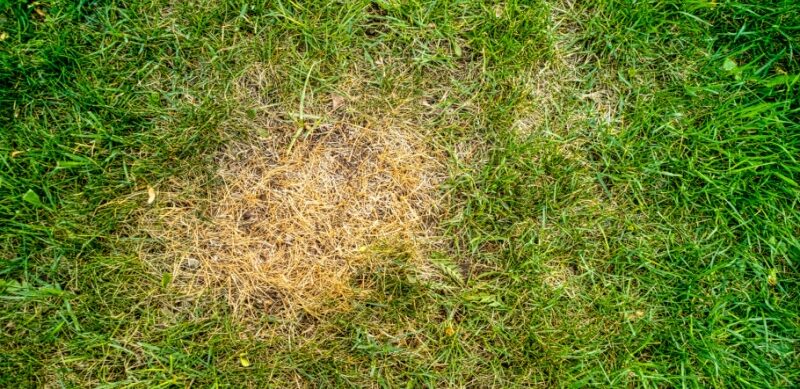
Seeing brown spots on your lawn after fertilizing in Fresno can be frustrating, especially when you expect greener, healthier turf. Instead of a lush carpet of grass, you’re left with patchy areas that look stressed or scorched. The truth is, these spots don’t always mean your fertilization failed — they’re often signs of specific issues like fertilizer burn, uneven application, or underlying soil problems. By understanding why this happens and how to respond, Fresno homeowners can turn those brown patches into a stronger, more resilient lawn.
Why Brown Spots Appear After Fertilization
Fertilizing is meant to boost growth and color, but sometimes the opposite happens: brown patches appear where you expected green. For Fresno homeowners, this issue is common, and the reasons usually fall into a handful of clear categories.
Fertilizer Burn
When too much fertilizer is applied, or granules sit on the grass blades without being watered in, the salts can dehydrate the turf. This is one of the most frequent causes of brown spots on lawns after fertilizing in Fresno.
Fertilizer burn is especially problematic during Fresno’s hot summers, when grass is already stressed by heat and drought. The combination of salt buildup and high temperatures can quickly scorch turf, leaving behind straw-colored patches that won’t recover without intervention.
Uneven Application
Missed areas or overlapping passes with a spreader can leave some patches overfed and others underfed, creating a mottled lawn that looks patchy instead of evenly green.
This issue often happens when homeowners use hand-held spreaders or rush through the process. Even small inconsistencies in coverage can create visible stripes or blotches. Over time, the uneven growth weakens turf density, making the lawn more vulnerable to weeds and disease.
Underlying Lawn Stress
Heat waves, compacted soil, or existing disease can make grass more vulnerable to damage, even when fertilization is done correctly. Stress weakens turf and makes it more likely to show brown patches.
In Fresno, compacted clay soils are a common culprit. When roots can’t access enough oxygen or water, fertilizer alone won’t solve the problem. Instead, the added nutrients may highlight weak areas, causing them to discolor faster than healthier sections of the lawn.
Chemical Lawn Care Mistakes
Using the wrong type of fertilizer for your grass variety or applying it at the wrong time of year can backfire, especially in Fresno’s hot, dry climate.
For example, applying a high-nitrogen fertilizer during peak summer heat can overstimulate growth, leaving grass blades thin and fragile. Similarly, using products designed for cool-season grasses on warm-season turf can disrupt the natural growth cycle, leading to patchy, uneven results.
How to Identify Fertilizer Burn vs. Other Problems
Fertilizer burn often appears as irregular patches where the grass blades look scorched or dried out, and these spots usually show up within days of fertilization. That timing is one of the clearest indicators that fertilizer salts are the culprit.
Other issues — such as fungal disease or insect damage — tend to spread more gradually and may cover larger, more uniform areas. For example, lawn fertilization problems in Fresno sometimes overlap with summer lawn diseases like brown patch fungus, which thrives in warm, humid conditions.
A closer look at the turf can also provide clues. Burned areas typically feel dry and brittle underfoot, while disease-related patches may feel damp or carry a musty odor. Insect damage is different again, often leaving behind chewed blades or visible pests. Paying attention to these subtle differences helps homeowners narrow down the cause and choose the right solution.
Steps to Restore Your Lawn
If you suspect fertilizer burn lawn damage in Fresno CA, quick action can help your grass recover:
- Water deeply and consistently: A thorough soak helps flush excess fertilizer salts from the soil while rehydrating stressed turf. Aim for slow irrigation that penetrates several inches rather than quick surface watering, since Fresno’s dry climate demands deeper moisture to reach the roots.
- Avoid mowing too short: Cutting grass too low after fertilization damage only adds stress. Taller blades shade the soil, reduce evaporation, and give roots time to rebuild strength, which is essential for recovery in hot Central Valley summers.
- Aerate compacted areas: Removing small plugs of soil improves oxygen and water flow, especially in Fresno’s clay-heavy soils. Aeration opens pathways for nutrients to reach the roots, helping damaged turf bounce back more quickly.
- Reseed or overseed thin patches: Fresh seed fills in bare spots and restores uniform color. Choosing blends suited to Fresno’s climate ensures new growth can withstand heat and drought while blending seamlessly with existing turf.
- Seek professional help: Sometimes brown spots aren’t just fertilizer burn — they may signal fungal disease, insect infestations, or deeper soil issues. A lawn care expert in Fresno can diagnose the exact cause and apply targeted treatments to speed recovery and prevent recurring problems.
Preventing Future Fertilization Problems
The best way to avoid brown patches in grass after fertilization is to combine proper technique with professional oversight. Homeowners can:
- Calibrate spreaders to ensure even coverage.
- Water immediately after fertilization to wash nutrients into the soil.
- Schedule fertilization during cooler parts of the day to reduce stress.
- Use the right fertilizer blend for Fresno’s soil and turf types.
- Partner with a professional lawn fertilization service in Fresno for consistent, expert care.
By taking these preventive steps, you can protect your lawn from common fertilization mistakes and keep it thriving through Fresno’s challenging climate.
From Brown Spots to Healthy Lawns
Brown spots after fertilization can be discouraging, but they don’t have to be permanent. Understanding the causes — whether it’s fertilizer burn, uneven application, or underlying stress — is the first step toward restoring a healthy, vibrant lawn. With the right care, Fresno homeowners can turn setbacks into opportunities for stronger turf that thrives year-round.
The Experienced Gardener has spent decades helping local yards recover from challenges just like these. Our knowledge of the San Joaquin Valley’s soil, climate, and turf types means we don’t just treat symptoms — we build lasting solutions. From aeration and fertilization to disease and pest control, we provide the kind of care that keeps lawns resilient season after season.
Contact The Experienced Gardener today to repair, protect, and strengthen your lawn with professional fertilization and care tailored to Fresno’s unique conditions.

$40 OffRefer a Friend