
Why Are Snails Eating My Plants in Fresno After the Rain?
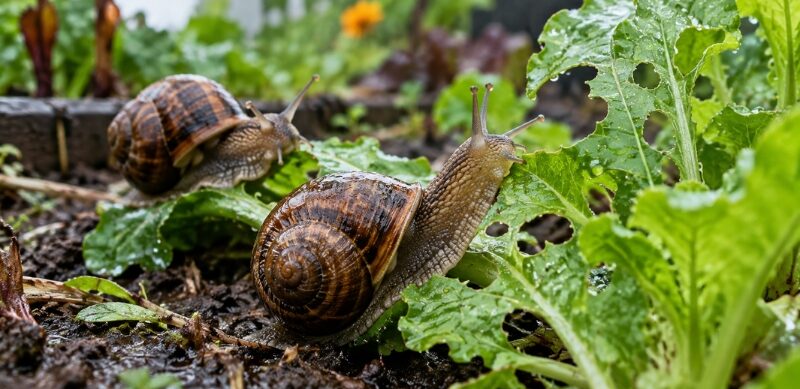
Rain leaves moist surfaces that allow snails to move and feed with less risk of drying out. If you find holes in tender leaves or damaged seedlings after a wet night in Fresno, snails or slugs may be responsible. At The Experienced Gardener, our snail control helps us identify the pest and the sheltered areas around your plants so we can recommend a suitable treatment. Rain may explain the timing, while conditions in the planting bed help explain why the damage keeps returning.
Wet Weather Makes Hidden Snails Easier to Notice
Snails often shelter during hot, dry conditions and become more visible when the surroundings are moist. A change from dry fall weather to rain can leave paths, soil surfaces, and foliage suitable for movement. You may suddenly notice snails crossing a walkway or feeding in a bed where you had seen little damage during warmer weeks.
They can already be living beneath pots, behind edging, under debris, or within dense ground cover. When rain arrives, those hiding places remain close to the plants they can eat. We recommend examining the areas beside damaged plants, rather than assuming the snails arrived from outside the yard during the storm.
Fresno's fall and winter weather varies from one week to the next. Snails may feed during a mild, damp period and become harder to find when conditions turn colder or drier. A few sunny days can reduce visible movement while sheltered spots remain moist. Pay attention to fresh plant damage as well as the number of snails you see.
Check the Leaves and Nearby Surfaces
Snails and slugs can leave irregular holes in leaves and flowers, and they may consume tender seedlings. Silvery slime trails on leaves, soil, pots, or pavement are useful clues. Follow a trail toward accessible shelter if you can do so safely, and photograph the damaged plant before trimming away affected leaves.
Slugs produce similar feeding damage and slime trails but lack a snail's visible external shell. You may find them under a pot or among damp debris. We can evaluate the animal you found along with the damage. Using the right identification helps you choose control aimed at the pest actually feeding in the bed.
Other pests, including caterpillars and earwigs, can also chew leaves. A hole by itself cannot tell you which animal made it. Look for live snails or slugs near the plant, slime trails, and new feeding damage that appears overnight. If you find droppings, webbing, or a different insect, include that in your photographs so we can consider other causes.
Tender Growth Is Especially Vulnerable
Young seedlings and soft new leaves can lose a substantial part of their growth during feeding. A newly planted bed may be affected before its plants have enough foliage to recover easily. Inspect recent transplants and tender seasonal plantings after wet weather so you can notice changes while the affected area is still limited.
Plants growing close to the ground may be easy for snails to reach from nearby shelter. A low leaf resting on damp soil, for example, provides a short route from a hiding place to food. We recommend noting which plants are damaged and which remain untouched. That pattern can help us decide where inspection and treatment should be concentrated.
Damage can also be uneven within one bed. A shaded corner beside stored pots may stay moist longer than a sunny edge, allowing snails to shelter close to susceptible plants. You can make that corner easier to inspect by organizing the storage and removing unneeded debris. Keep useful mulch and plant protection in place where they serve a purpose, but avoid deep, wet piles against stems.
Adjust Irrigation When Rain Is Doing Part of the Work
Automatic irrigation can prolong wet conditions after a storm if it continues on the same schedule. Check soil moisture before watering and adjust for rainfall and the needs of your plants. A bed beneath an overhang may receive little rain even when the open lawn is wet, so assess each area rather than switching every zone in the same way.
When irrigation is needed, watering earlier in the day can give exposed surfaces more time to dry. Drip irrigation may reduce wet foliage and damp surrounding surfaces in suitable planting beds. We can discuss whether watering practices are contributing to the snail problem alongside the plants' health. Reducing unnecessary moisture should still leave the plants with enough water.
Leaks or poor drainage may keep a small area damp regardless of the schedule. Look for a dripping connection, water collecting beneath containers, or soil that stays saturated. Addressing those conditions can reduce shelter while improving the growing area. If the wet spot continues after an adjustment, investigate its source before adding more products to the bed.
Combine Removal and Prevention With Suitable Treatment
If you inspect after dusk or early in the morning, you may find snails while they are moving or feeding. Wear gloves if you collect them by hand, and keep collected pests out of reach of children and pets. Continue checking nearby hiding places because removing the animals visible on one night may leave others sheltered nearby.
Snail and slug baits vary in their active ingredients, labeled uses, and risks. Follow the label and tell us about pets, edible plants, and any products already used in the area. Rain can affect different products differently, so avoid automatically adding more bait after every storm. We can recommend an approach based on the pest and the planting conditions.
If holes keep appearing after rainy nights, talk with The Experienced Gardener about snail damage. Show us the affected plants, nearby shelter, and any snails or trails you have photographed. We can assess your Fresno yard and discuss treatment together with changes that reduce the conditions supporting repeated feeding.

$40 OffRefer a Friend