
Are Ground Squirrels Damaging Your Fresno Yard? What to Know This Fall
Open burrows, missing garden produce, and squirrels disappearing into the ground can point to ground-squirrel damage in your Fresno yard. Several animals can dig or feed in a landscape, so the holes alone need a closer look. At The Experienced Gardener, our outdoor rodent control helps us identify the animal and assess the areas it is using. If you have noticed new holes or repeated feeding damage this fall, understanding the source helps you choose a suitable way to protect your yard.
Watch Where the Squirrel Goes
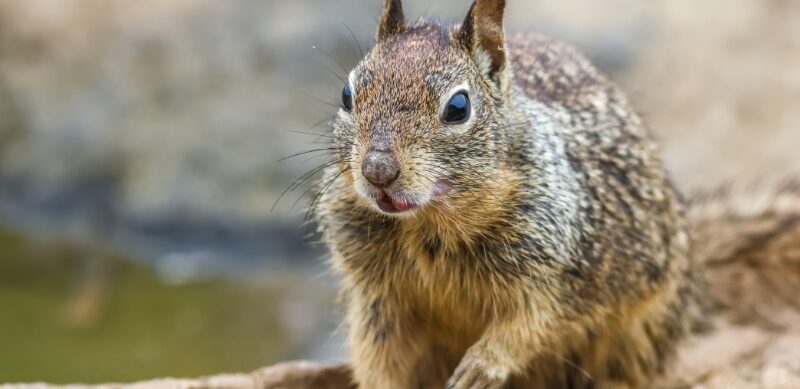
California ground squirrels spend time aboveground and retreat into underground burrows. You may see them feeding, sitting near a hole, or running toward a burrow when disturbed. Tree squirrels generally escape into trees or climb structures. Watching from a distance can help you tell whether a squirrel crossing the lawn is using an underground home nearby.
Ground-squirrel entrances are often several inches across and remain open, sometimes with excavated soil nearby. A burrow system can have multiple entrances. We recommend photographing the opening and the surrounding area, then noting whether you actually see a squirrel entering it. A hole at the edge of a planting bed may be connected to a larger system beneath the yard.
Tree squirrels can also dig small holes while burying or retrieving food, especially in fall. Those scattered digging spots have a different meaning from entrances that animals repeatedly use. Pocket gophers usually leave soil mounds with plugged openings. We consider these differences before recommending control so you avoid treating an animal that is only passing through.
Feeding Damage and Burrowing Can Affect Different Areas
Ground squirrels eat plant material and may take seeds, nuts, fruit, or garden vegetables. During the warmer part of the year and into fall, seeds and nuts can become important food sources. Fallen fruit, spilled birdseed, and accessible pet food may give squirrels a reason to keep visiting a residential yard.
If you grow vegetables or maintain fruit trees, look at what is missing and where the damage occurs. A partly eaten fruit on the ground can have several possible causes. Pair that finding with daytime sightings, tracks, or burrows rather than identifying the pest from one damaged plant. We can examine the feeding areas along with the places animals appear to be sheltering.
Burrowing can create uneven ground and weaken the soil beneath some landscape features. A hole beside a walkway, retaining feature, or patio edge needs careful attention, particularly if the surrounding surface has begun to settle. Keep people and pets away from unstable ground. If a structure appears affected, have a qualified professional evaluate its condition while the animal problem is addressed.
Fall Behavior Varies With Weather and the Site
Fresno's transition from hot, dry weather toward cooler days and seasonal rain can change when you see ground squirrels. California ground squirrels may spend extended periods underground during unfavorable conditions, and their seasonal behavior varies with location and weather. Fewer sightings can reflect a change in their routine while burrows remain in the landscape.
We recommend comparing recent findings instead of relying on one quiet afternoon. Fresh digging, newly damaged plants, or repeated sightings near the same entrance help show whether squirrels are still using the yard. Older holes can persist after use has changed, and other wildlife may occupy abandoned burrows. Confirming the occupant is part of choosing the next step.
The season also influences which control methods are appropriate. Ground squirrels change their diet, and conditions underground can affect certain treatments. We assess the animal, the site, and the timing before discussing an approach. A product selected for another burrowing pest or another season may be poorly suited to your situation.
Reduce Food Sources You Can Control
Pick up fallen fruit and nuts regularly, and clean spilled seed beneath bird feeders. Store pet food and garden supplies in sturdy, closed containers. If squirrels are taking food from a particular spot, reducing that supply can help make the yard less attractive while you arrange an assessment.
Plant protection needs to fit the animal's behavior. A barrier around a garden may help with feeding access, but its design must account for digging and possible climbing. We can discuss whether exclusion is practical for the area you want to protect. A small vegetable bed and a yard bordering open land can require different expectations and maintenance.
Changes beyond your property can influence what happens next. If squirrels have access to neighboring open ground, removing food in your yard addresses only part of what they use. Ask us about monitoring and prevention suited to those boundaries. Avoid placing control materials on adjoining land or in spaces where you cannot manage access by pets and other wildlife.
Leave Burrows Available for Identification
Filling a hole as soon as you find it can hide useful clues and leave questions about the animal underground. Photograph the entrance and mark its location from a safe distance so we can examine it. Avoid probing burrows with your hands, pouring chemicals into them, or attempting to flush animals out with water.
We also recommend professional guidance before setting traps or choosing a bait. Children, pets, and other wildlife may use the same yard, and old squirrel burrows can shelter animals other than squirrels. Tell us about those concerns during the assessment. Any recommended control should account for the identified pest and the conditions around the burrow.
If new holes or missing plants have you concerned this fall, contact The Experienced Gardener about ground squirrel damage. Share where you see squirrels, which parts of the yard are affected, and any photographs of the burrows. We can assess the problem and discuss control and practical ways to reduce further damage.

$40 OffRefer a Friend